

If you stand outside for a few minutes, you can feel the wind, but you can’t really tell how strong it is. Sometimes it feels light, then suddenly it picks up. In normal life, that’s fine. But in many jobs, guessing like this is not enough.
That’s where wind measurement becomes important. People use an anemometer to check wind speed properly instead of depending on assumptions. It’s a simple device, but it helps in many real situations where even a small mistake can cause problems.
In this article, we’ll go through anemometer applications in a natural way, focusing on how they are actually used, not just theoretical points.
What Wind Measurement Means in Simple Words
Wind measurement is nothing complicated. It just means checking how fast the wind is blowing and sometimes its direction.
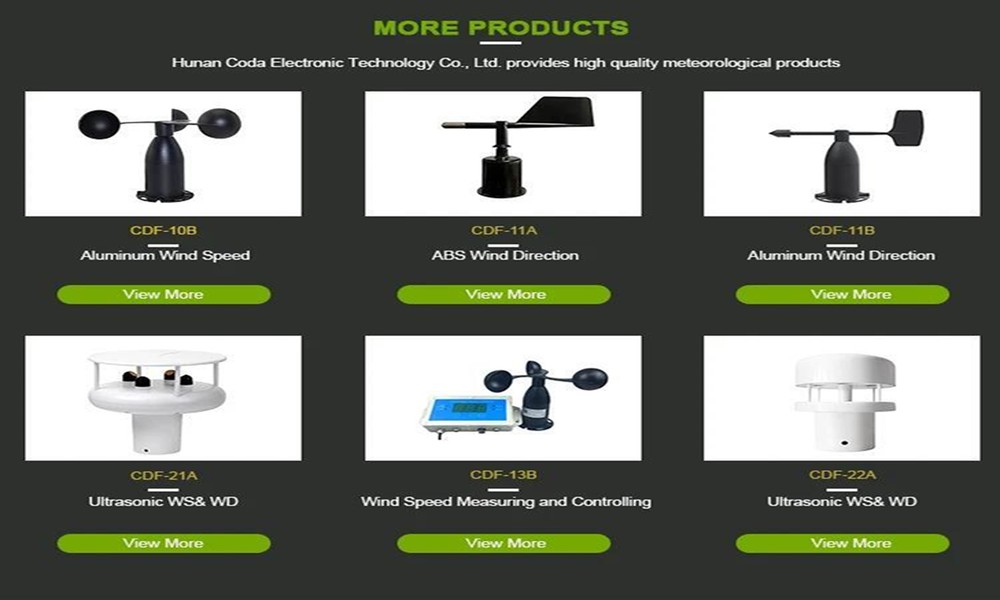
An anemometer does this job. Older ones have small cups that rotate when wind hits them. Faster wind makes them spin faster. Newer ones are digital and give readings instantly.
No matter the type, the purpose is the same to give a clear idea of wind conditions so people can make better decisions.
Why People Don’t Rely on Guessing Wind
In daily life, we often guess wind speed without thinking much. But in professional work, guessing can create serious issues.
For example:
- A pilot cannot guess wind conditions before landing
- A construction worker cannot assume it’s safe to lift heavy material
- A farmer cannot randomly spray crops without checking wind
This is why proper wind measurement is always preferred. It removes uncertainty and helps avoid mistakes.
Practical Anemometer Applications in Real Life
Let’s look at where anemometers are actually used. These are common situations, not just textbook examples.
Weather Forecasting
Weather departments use anemometers all the time. Wind data helps them understand what’s happening in the atmosphere.
When wind speed increases or direction changes, it can indicate upcoming weather changes. This helps in predicting storms or strong winds in advance.
So when you check the weather on your phone, part of that data comes from wind measurement.
Airports and Flights
Air travel depends heavily on wind conditions. Before takeoff and landing, pilots need exact wind information.
Airports install anemometers near runways to monitor wind continuously. If wind speed is too high or coming from the wrong direction, flights may be delayed. Passengers may not notice it, but this small device plays a big role in safety.
Wind Energy Projects
Wind turbines need steady wind to produce electricity. Before installing them, companies check wind patterns for weeks or even months.
They use anemometers to collect this data. If the wind is not strong or consistent, the project may not work. Even after installation, wind measurement helps track performance and efficiency.
Construction Work
On construction sites, wind can become risky, especially when cranes are used. If wind speed is too high, lifting materials can become dangerous. Workers check wind conditions using anemometers before continuing work.
Sometimes work is stopped completely based on these readings. It may slow things down, but it keeps people safe.
Environmental Monitoring
Wind carries dust, smoke, and pollution from one place to another. Anemometers help track how these particles move. In industrial areas, this is important to understand how pollution spreads and which areas are affected. This data is also useful for environmental studies and planning.
Indoor Airflow
Wind measurement is not limited to outdoor use. Inside buildings, airflow also needs to be checked.
In offices, malls, and factories, anemometers are used to measure air movement in ventilation systems. This helps maintain proper airflow and improves comfort. It also helps in saving energy by making systems more efficient.
Agriculture and Farming
Farmers use anemometers mainly when spraying pesticides or fertilizers. If wind speed is high, the spray can drift away and not reach crops properly. This wastes resources and can affect nearby areas.
By checking wind conditions, farmers can choose the right time to spray and get better results.
Marine Use
At sea, wind conditions can change quickly. Boats and ships rely on wind data for better navigation.
Anemometers help crews understand wind speed and direction so they can adjust their route if needed. This improves safety and also helps in managing fuel usage.
Sports and Outdoor Activities
In some activities, wind plays a big role. For example, in sailing or flying drones, wind speed can affect performance. Too much wind can make things difficult or unsafe.
People often check wind conditions using anemometers before starting such activities.
Why Accurate Wind Measurement Matters
You might think estimating wind is enough, but in many cases, it isn’t. A small difference in wind speed can change outcomes. In aviation, it can affect landing. In construction, it can create risks. In farming, it can reduce effectiveness.
That’s why anemometers are used to provide exact readings instead of rough guesses.
Modern Anemometers Are More Advanced
Earlier devices were simple and mechanical. They worked well but needed maintenance.
Now, many anemometers are digital. They give quick readings and are more reliable. Some models don’t even have moving parts, which makes them last longer.
They can also connect with systems to provide real-time updates, which is useful in fast-changing conditions.
Conclusion
An anemometer may look like a small tool, but its importance is much bigger than it seems. From weather forecasting and aviation to farming and construction, anemometer applications are part of many everyday operations.
Accurate wind measurement helps people stay safe, make better decisions, and work more efficiently.
It’s not something most people notice, but without it, many systems we depend on would not work as smoothly.