

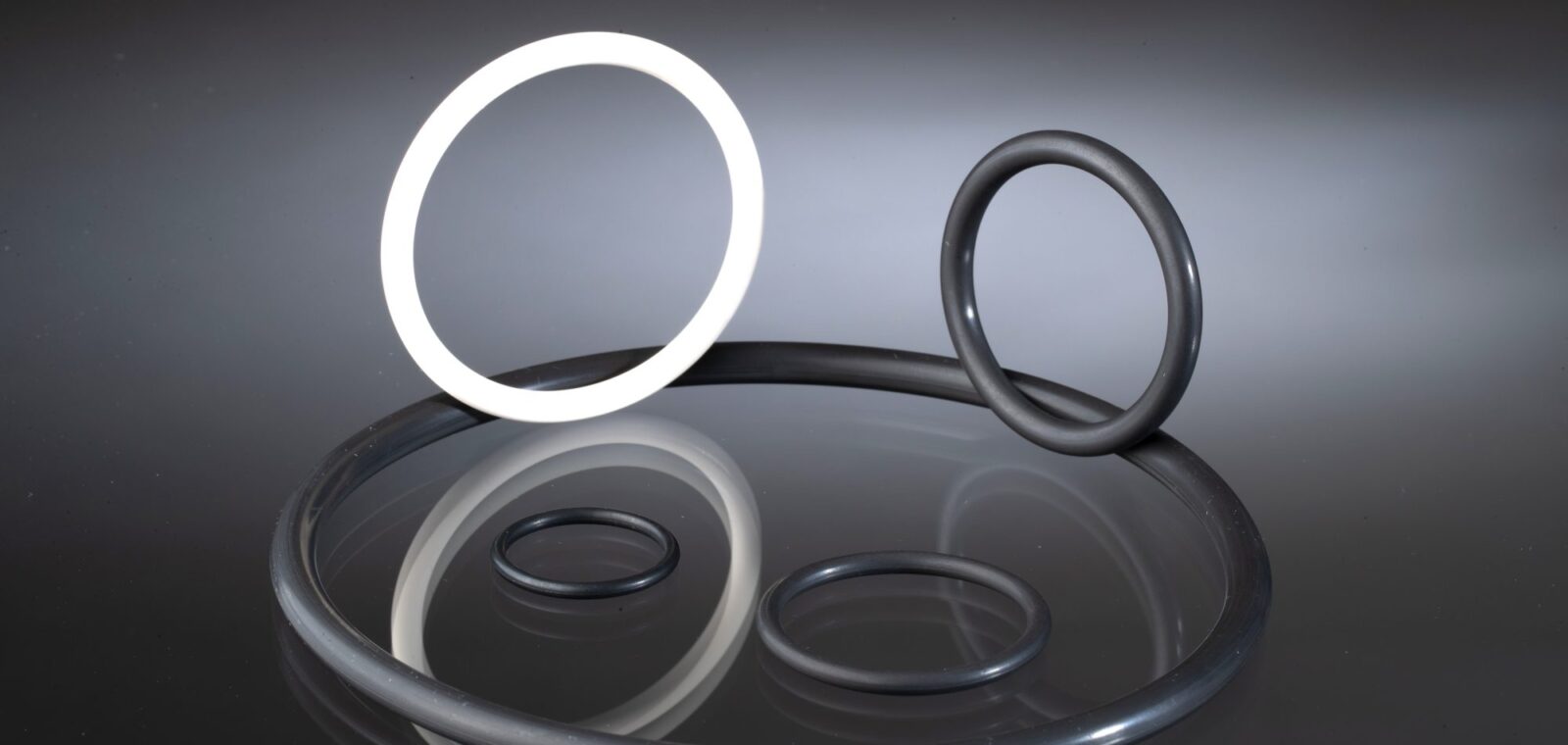
When it comes to demanding sealing applications, not all materials perform equally. Industrial environments often expose components to aggressive chemicals, high pressures, and extreme temperatures. This is where Viton seals, Viton gaskets, and Viton O-rings stand out. Known for their excellent resistance and durability, these sealing elements are manufactured from FKM material, also referred to as FPM or simply Viton®.
What Is FKM Material?
FKM material is a type of fluoroelastomer developed to withstand challenging environments where other rubbers would fail. It is commonly recognized under the brand name Viton®, but technically FKM refers to the ASTM designation for this family of fluorinated synthetic rubbers.
Key features of FKM include:
- Exceptional chemical resistance: FKM seals can handle exposure to fuels, oils, hydraulic fluids, and aggressive chemicals that would degrade standard elastomers.
- High-temperature performance: Viton seals and gaskets remain stable in continuous use at temperatures up to +200°C, and even higher for short periods.
- Low permeability: FKM material offers low gas permeability, making it ideal for applications requiring airtight sealing.
Because of these properties, industries such as automotive, aerospace, chemical processing, and oil & gas rely heavily on FKM seals and gaskets.
Advantages of Viton Seals and Gaskets
Choosing Viton over other elastomers brings several advantages:
• Resistance to fuels and solvents – Viton gaskets and seals are widely used in fuel systems due to their ability to withstand gasoline, diesel, and ethanol blends.
• Long service life – The stability of FKM material ensures durability, reducing downtime and replacement costs.
• Excellent sealing under pressure – Viton O-rings maintain their integrity even in high-pressure environments.
• Compatibility with aggressive media – They are suitable for acids, aromatic hydrocarbons, and other chemicals.
These benefits explain why Viton seals and Viton O-rings are chosen for mission-critical applications where failure is not an option.
Applications of Viton O-Rings
Among the many sealing products made from FKM, Viton O-rings are some of the most versatile. Their round profile ensures uniform sealing in dynamic and static conditions. Common uses include:
- Hydraulic systems in industrial machinery
- Automotive engines and fuel systems
- Chemical plant equipment
- Aerospace components requiring reliability under extreme conditions
The combination of elasticity and resistance makes Viton O-rings a top choice when standard rubber O-rings would quickly degrade.
Comparing Viton with Other Elastomers
While materials like NBR (nitrile) or EPDM have their place, they cannot match the broad performance range of FKM seals. NBR performs well in oil but fails in high temperatures. EPDM resists weathering and steam but lacks resistance to fuels. Viton, however, bridges these gaps by offering superior overall resistance. This versatility justifies its higher cost compared to standard elastomers.
Why FKM Seals Are Industry Standard
Reliability is the core reason industries prefer FKM seals. Whether in aerospace engines, where temperatures soar, or in chemical facilities where equipment is exposed to harsh media, Viton gaskets and O-rings provide consistent performance. The material’s ability to resist swelling, cracking, and hardening ensures that sealing systems remain intact over long service intervals.
For industries requiring a balance of durability, chemical resistance, and thermal stability, Viton seals, Viton gaskets, and Viton O-rings made from FKM material are the gold standard. While they may cost more than conventional elastomers, their longevity and reliability make them a cost-effective choice in the long run. As technology and industries continue to push boundaries, the importance of high-performance sealing solutions like FKM seals will only grow stronger.