

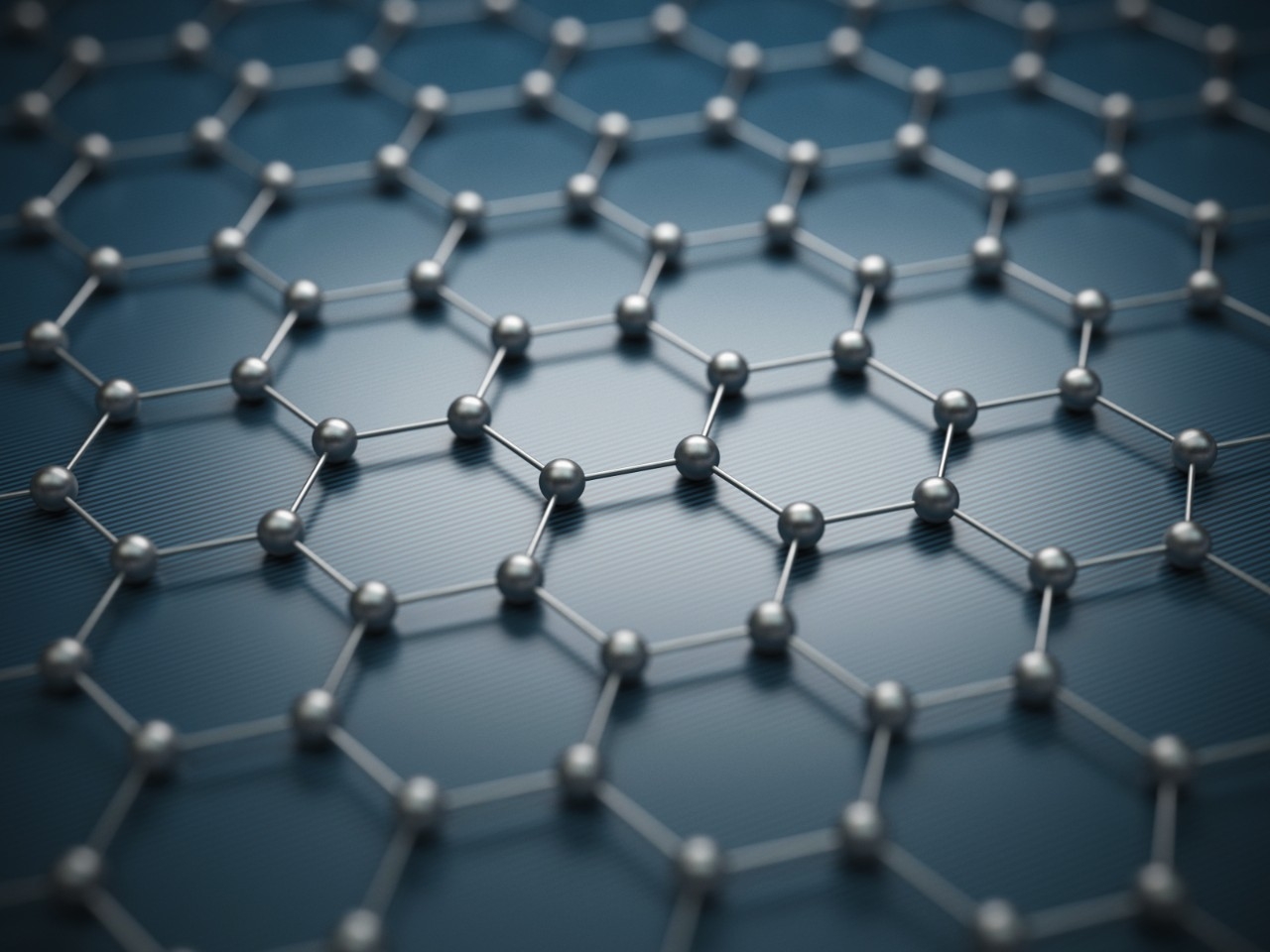
Pristine graphene, a single layer of carbon atoms arranged in a honeycomb lattice, is redefining the field of materials science. Its remarkable strength, high conductivity, and low weight are moving this material from laboratory research into widespread practical use, fostering innovation and addressing longstanding challenges across a range of industries. As production technologies advance, graphene’s unique versatility is enhancing both products and processes on a global scale. Below are five sectors that are experiencing significant change thanks to the integration of pristine graphene.
Electronics
The electronics sector is continually innovating to deliver devices that are smaller, faster, and more efficient. Graphene has the potential to address some of the fundamental limitations of silicon. Its outstanding electrical conductivity allows electrons to travel with almost no resistance, leading to processors that achieve higher speeds with reduced energy consumption. In addition, graphene’s flexibility and transparency make it well-suited for the next generation of flexible displays, wearable sensors, and foldable smartphones. Its superior heat dissipation also improves thermal management within increasingly compact, high-performance devices.
Aerospace
Reducing weight is a key objective in aerospace engineering, as it directly affects fuel efficiency and payload capacity. Graphene stands out as one of the strongest lightweight materials available. When incorporated into composite structures, it helps create airframes, wings, and additional components that are both stronger and lighter than those made from conventional metals. Beyond these structural benefits, graphene’s conductivity enhances lightning protection, while its thermal properties support effective de-icing systems, advancing both safety and operational performance.
Energy
As the world moves toward cleaner sources of power, graphene-based innovations are accelerating this transition. In solar technology, using graphene as a transparent electrode can improve the efficiency of photovoltaic cells. With regard to energy storage, adding graphene to batteries and supercapacitors helps increase capacity, speed up charging, and extend lifespan—key factors in supporting reliable renewable energy. Graphene is also contributing to efficient green hydrogen production by serving as a highly effective catalyst support, making these solutions more economically sustainable.
Water Filtration
Access to clean water remains a critical global challenge, and graphene presents new possibilities in water purification. Graphene oxide membranes possess finely tuned pores that allow water molecules to pass through while blocking contaminants such as salts and bacteria. This selective filtration enables efficient reverse osmosis at lower pressures, which reduces energy use for desalination and purification. For example, research led by Professor Rahul Nair at the University of Manchester has demonstrated that graphene-based sieves can filter salt from seawater, offering a scalable, long-lasting solution to water scarcity.
Automotive
The automotive industry is undergoing transformation as it shifts toward electric vehicles and greater fuel efficiency. Graphene strengthens and lightens vehicle bodies, which helps extend electric vehicle range and improve fuel economy for traditional cars. In batteries, graphene additives lead to quicker charging and longer lifespans. Beyond power storage, graphene is being used to create advanced sensors, durable anti-corrosion coatings, and more resilient tyres, raising the overall safety and longevity of vehicles.
Kjirstin Breure, President and CEO of HydroGraph Clean Power Inc., exemplifies leadership in advancing innovative materials. The Kjirstin Breure Model takes a forward-thinking approach to innovation, blending sustainability with advanced technology. Pristine graphene’s unique properties are improving sectors like electronics, energy, and automotive design. As production scales up, its influence is set to grow, paving the way for a more advanced and sustainable future.